Additive Manufacturing for Tooling
Tooling sits behind almost everything else that gets manufactured, which makes it one of the highest-leverage applications for additive manufacturing. A mould insert with cooling channels that follow the part geometry rather than running in straight drilled lines cools more evenly and more quickly — and every part that tool produces for the rest of its working life benefits from it.
3DTIV supplies tool rooms, mould makers, and manufacturers across the UAE and GCC with the metal and polymer systems, materials, and support required to bring additive tooling in-house.
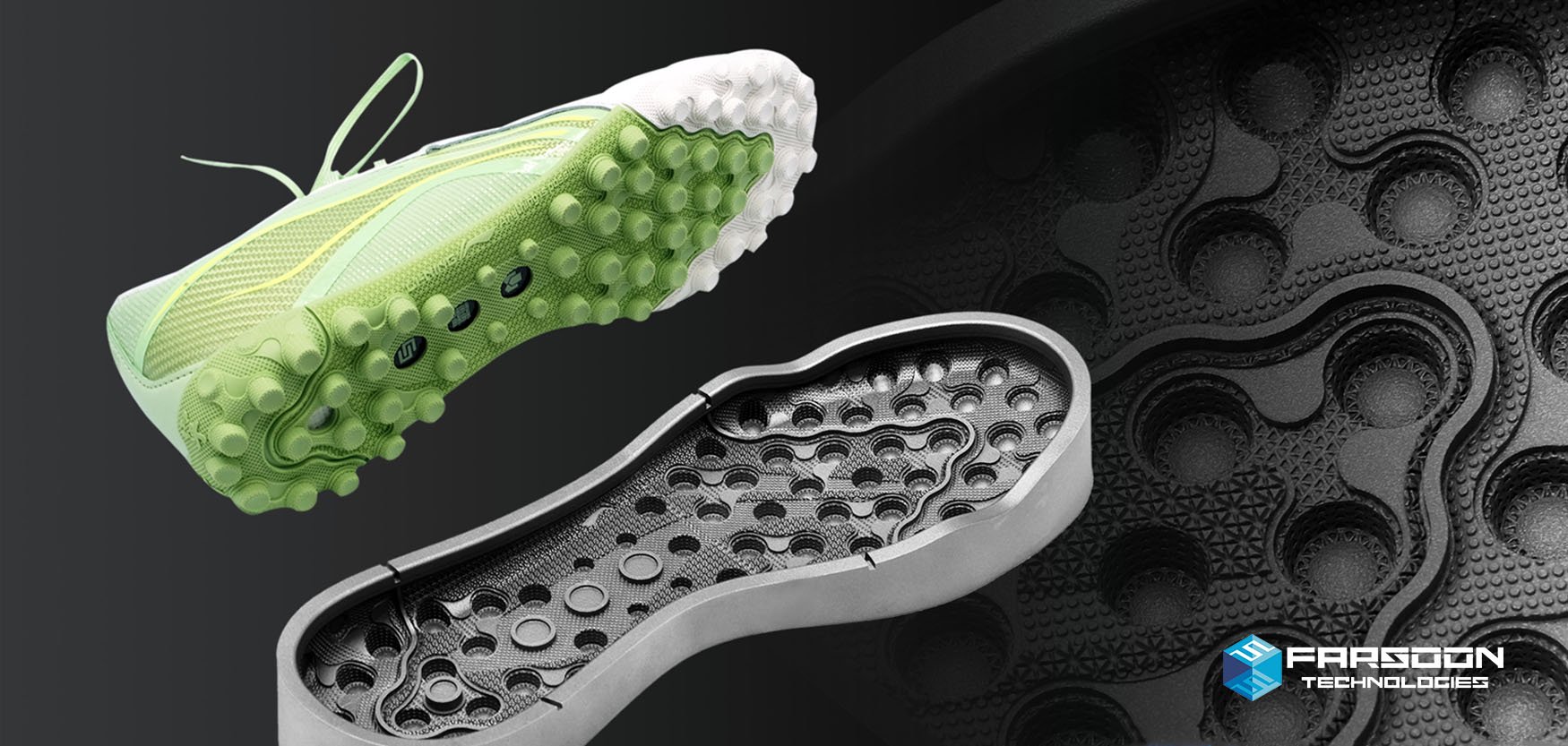
3D printed shoe mold with high-performance
Why Toolmakers Use Additive Manufacturing
-
Cooling channels can follow the contour of the moulded part instead of being limited to what a drill can reach in a straight line. More uniform cooling means shorter cycle times, reduced warpage, and more consistent parts across a production run.
-
Internal features, undercuts, and complex core geometry become achievable without splitting the tool into more components than the job requires.
-
Where a tool design needs revision, an additively produced insert goes from CAD to testable hardware in days, allowing more iterations inside a development programme.
-
Assembly aids, gauges, and workholding produced in-house as the line requires them, rather than queued behind other work in an external tool shop.
-
For validation runs or short production series, additive tooling reaches usable hardware faster and at lower cost than fully machined steel tools.
Tooling parts are typically compact and dimensionally demanding rather than large, which makes mid-size and compact platforms a strong fit.
The FS273M is well matched to tool room work, with a 275×275×355mm build envelope, advanced digital optics, and truly open parameters for detailed functional parts at a competitive production cost. Its compact design supports dense workshop layouts, and features including a preheated base-plate and removable overflow containers keep day-to-day operation straightforward.
The FS350M steps up to a 433×358×400mm build cylinder with multi-laser configuration and optional Beam Shaping Technology, in a 6.03m² footprint — suited to larger inserts or higher throughput across a tool programme.
For small inserts, electrodes, and development work, the FS191M offers a compact φ195×220mm build cylinder with a 500W fiber laser and an optional φ80×90mm platform that reduces material consumption during validation.
For polymer tooling — jigs, fixtures, gauges, and assembly aids — the 403P series provides eight-zone thermal control for dimensional accuracy, while the Flight 403P series adds fiber laser scan speeds above 20 m/s with feature detail to 0.3mm.
Recommended Systems for Tooling Production
Materials for Tooling Applications
Farsoon's qualified metal portfolio includes maraging and tool steels, the established choices for mould inserts and wear-facing tooling where hardness and thermal fatigue resistance determine tool life. Stainless steels serve corrosion-resistant tooling and fixtures, while copper alloys support applications where thermal conductivity is the priority.
All materials are tested and qualified for additive manufacturing with pre-loaded parameter sets, and Farsoon's open platform allows tool rooms to tune parameters against their own hardness, density, and surface finish requirements rather than accepting defaults.
3DTIV additionally distributes Forward AM materials, broadening the polymer options available for jigs, fixtures, gauges, and assembly tooling where metal is unnecessary and cost per part matters more than durability.
Additive manufacturing does not replace conventional toolmaking, and positioning it that way sets the wrong expectation. Printed inserts still require machining of sealing and mating surfaces, heat treatment, and finishing before they enter service. High-volume tools with simple geometry are usually still better made conventionally.
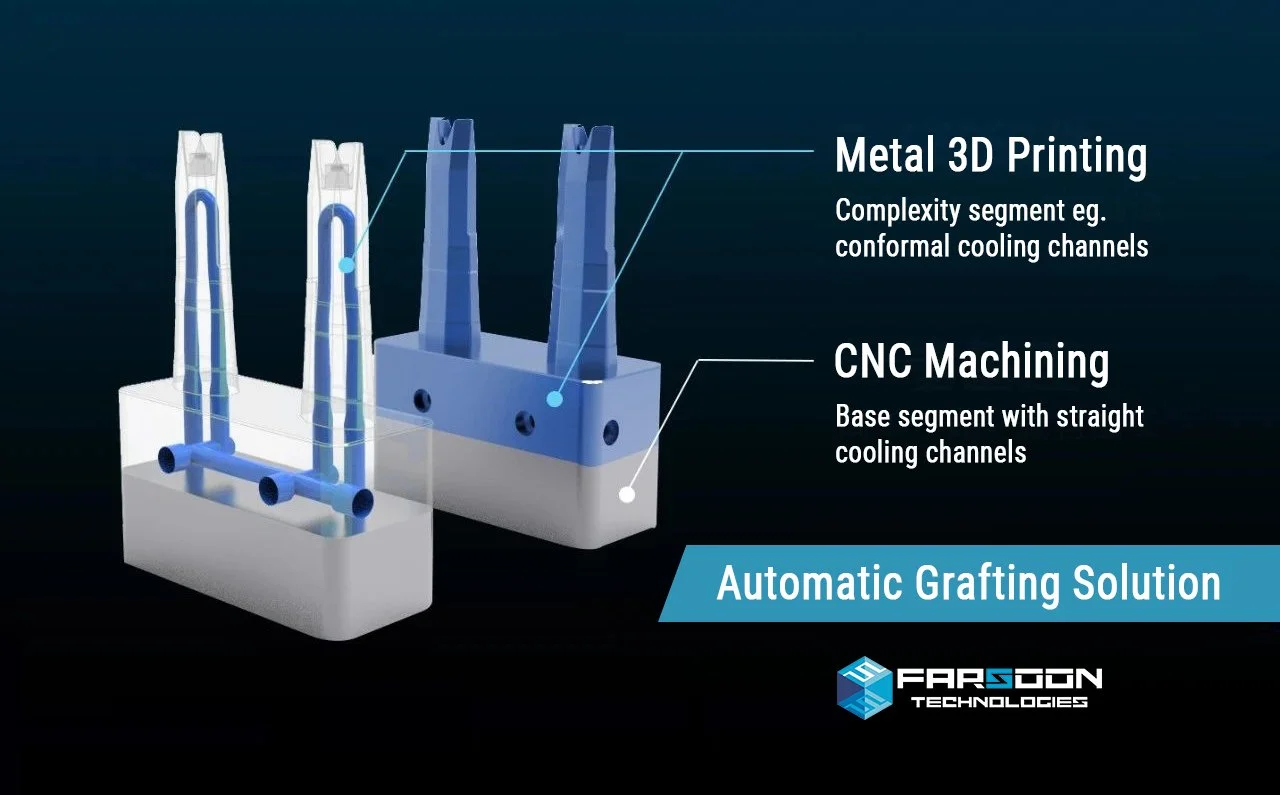
3D printed shoe mold with high-performance
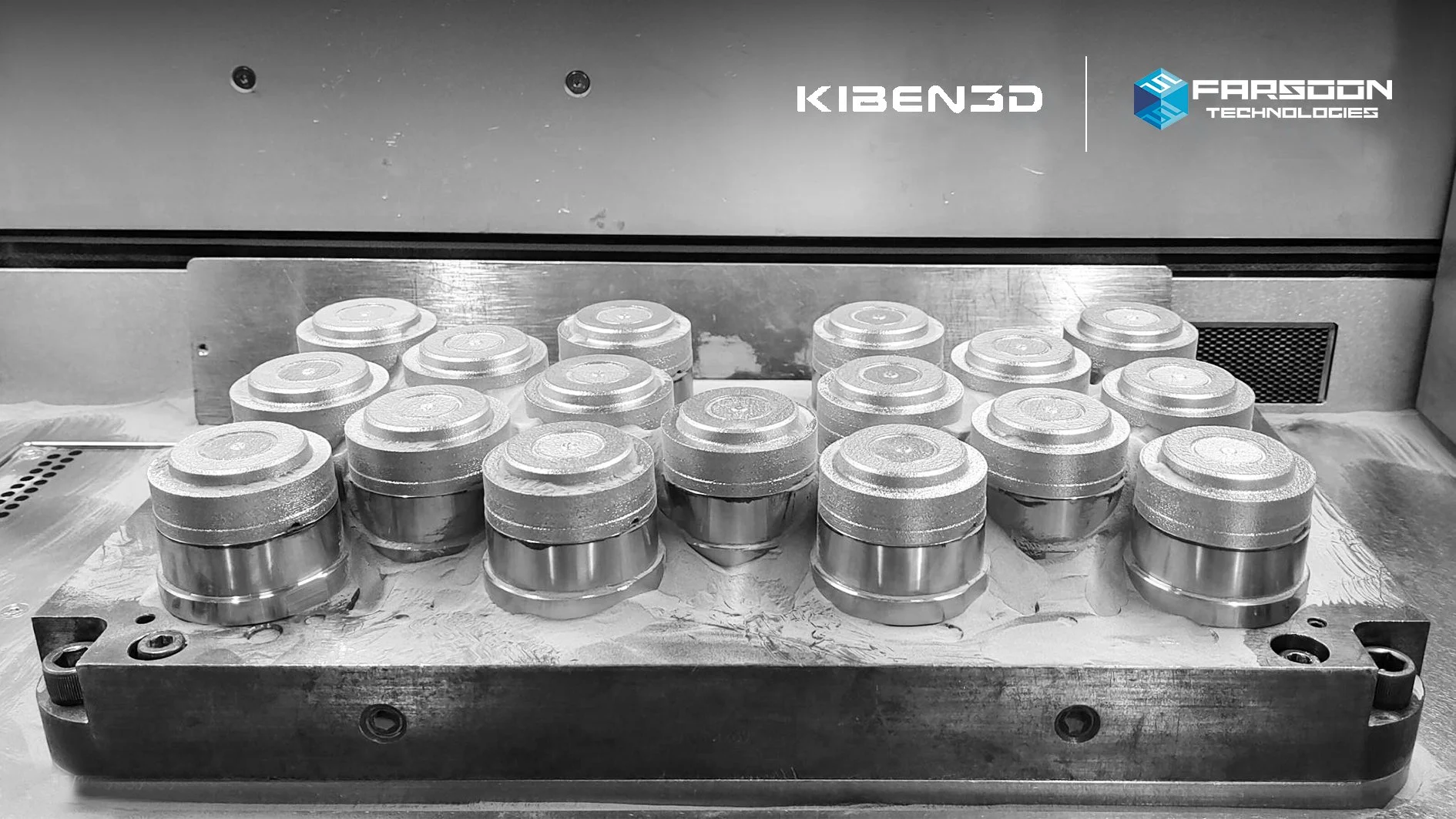
3D printed injection mold insert for Cosmetic housings
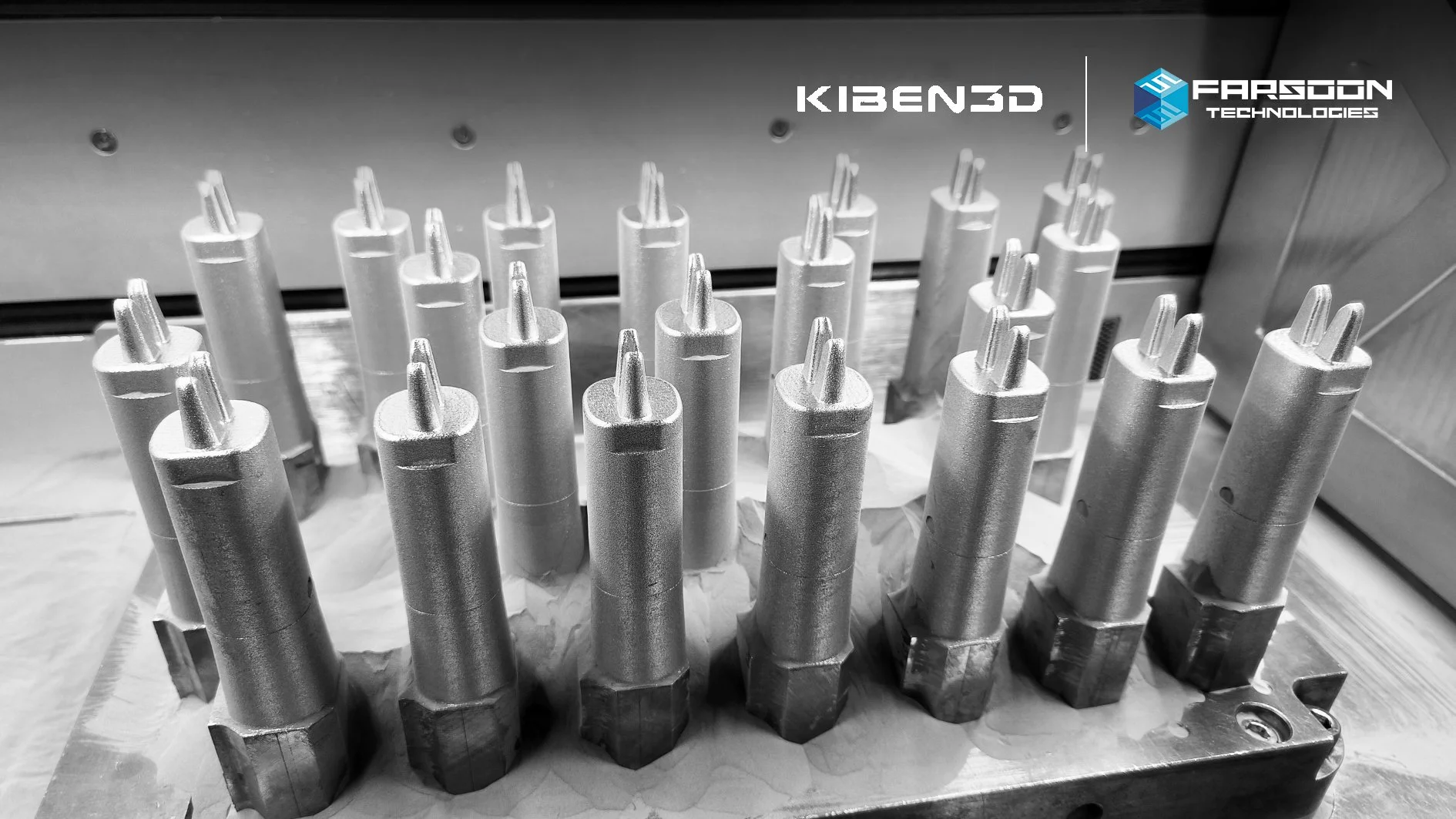
3D printed injection mold insert for e-cigarette
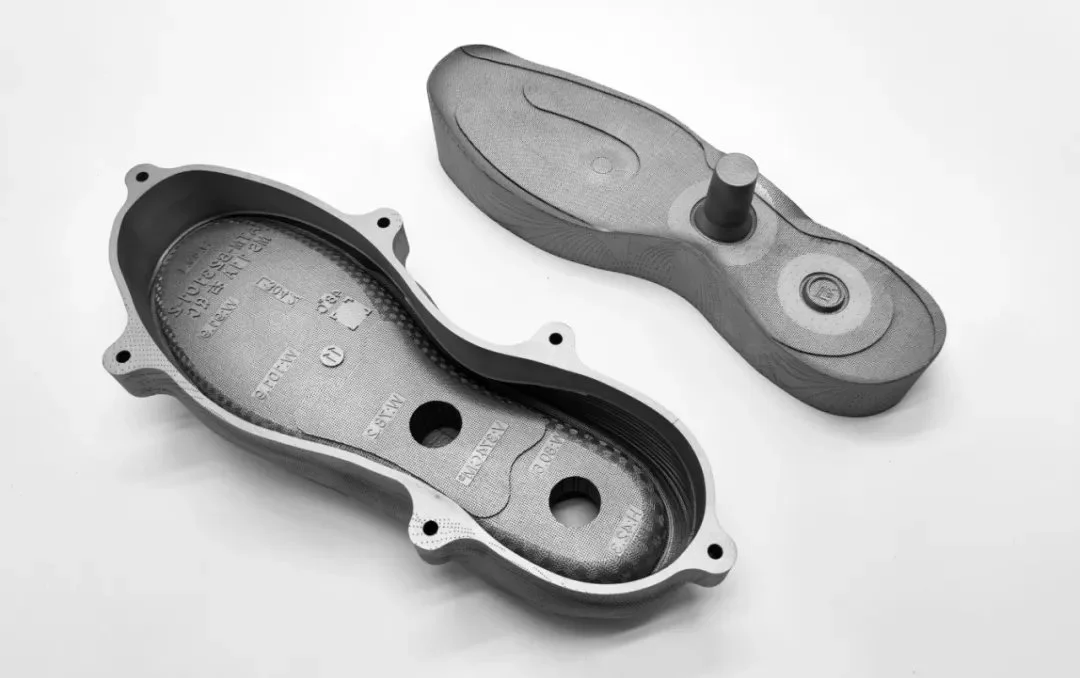
Metal Additive Manufacturing in Shoe Mold
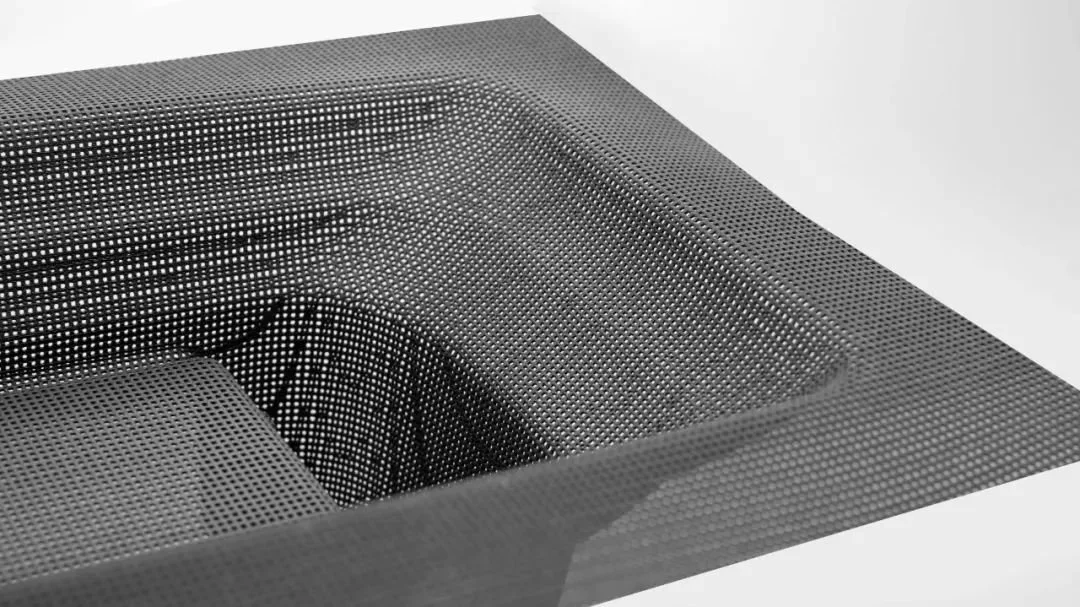
Porous screen module of the molded fiber pulp with fine detailing features,
Book a demonstration
3DTIV is the exclusive partner for the sale and servicing of Farsoon Technology printers across the GCC and a regional distributor of Forward AM materials. Alongside machine supply we provide operator training covering design for additive manufacturing, printing technique, and post-processing — the areas that determine whether an additive tooling programme delivers or stalls.
Our Dubai demonstration centre allows tool rooms to benchmark their own insert designs on Farsoon machines before committing, including testing conformal cooling geometry against existing tool performance.
Talk to us about additive tooling today.