Additive Manufacturing for Aeronautics
Aerospace was one of the first industries to adopt metal additive manufacturing at production scale, and for good reason. Every gram removed from an airframe compounds across the life of the aircraft, and additive manufacturing removes weight in ways subtractive machining simply cannot.
3DTIV Tech supplies the metal and polymer systems, materials, and technical support that aerospace manufacturers and MRO operations across the UAE and wider GCC need to bring additive production in-house.
Why Aerospace Manufacturers Use Additive Manufacturing
-
Additive manufacturing allows brackets, mounts, and structural components to be designed around load paths rather than around what a milling machine can reach. The result is parts that carry the same loads at a fraction of the mass.
-
Assemblies that previously required a dozen machined components, fasteners, and joins can be printed as a single piece. Fewer parts means fewer failure points, less inventory, and shorter assembly times.
-
Conformal cooling channels, internal lattices, and flow passages that are impossible to machine become straightforward to print.
-
Machining a titanium bracket from billet can waste the majority of the raw material. Powder bed fusion uses only what the part requires, with unfused powder recovered and reused.
-
For ageing fleets, additive manufacturing removes the need for tooling that no longer exists or minimum order quantities that no longer make commercial sense
Recommended Systems for Aerospace Production
Aerospace work typically demands large build envelopes and multi-laser throughput. The FS721M offers a 720×420×420mm build volume with dual or quad 500W laser options, suited to large-scale structural parts and extended production runs. The FS422M delivers a 425×425×550mm envelope with build rates up to 150cm³/h, built specifically with aerospace and automotive series production in mind.
For polymer applications such as cabin fittings, ducting, and tooling, the Flight HT601P-4 brings a 600×600×600mm build volume with quad 300W fiber lasers, and the 252P series handles high-performance polymers including PEI and PA6 for direct-use parts.
Materials for Aerospace Applications
Farsoon's qualified metal portfolio covers the alloys aerospace work depends on, including titanium alloys such as Ti6Al4V, aluminium alloys, nickel superalloys, and stainless and tool steels. Every material is developed, tested, and qualified for additive manufacturing, with parameter sets pre-loaded on Farsoon equipment so parts come out with consistent, predictable properties.
Farsoon's open platform matters particularly here. Because machine parameters and material choice are unlocked, aerospace teams can develop and qualify their own material processes rather than being restricted to a closed supplier ecosystem — important when internal qualification standards are stricter than a machine manufacturer's defaults.
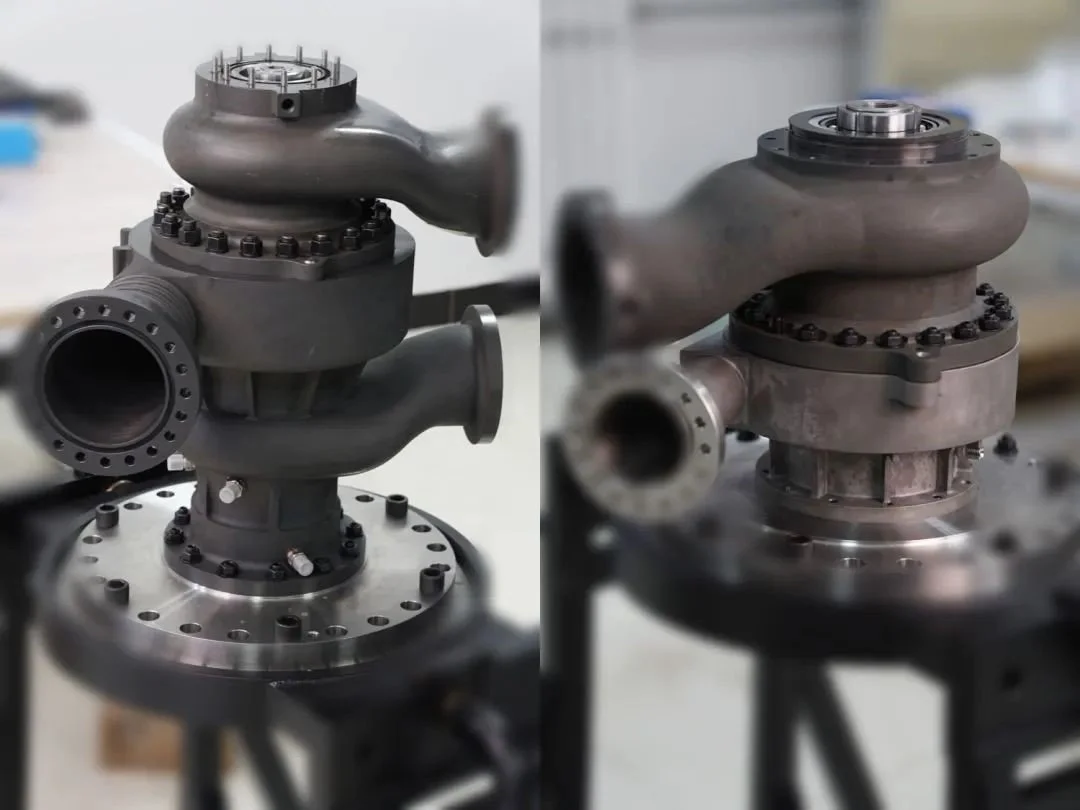
3D Printed Turbo Pump Assembly for Hydraulic Test
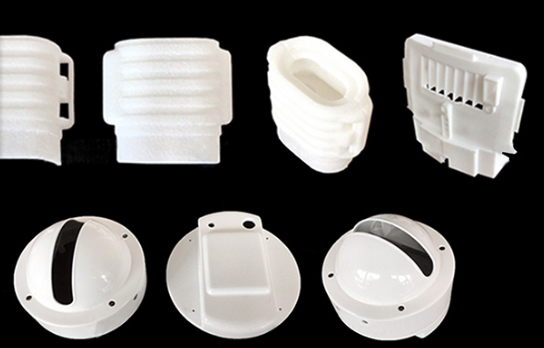
UAV Electrical Housing Modules
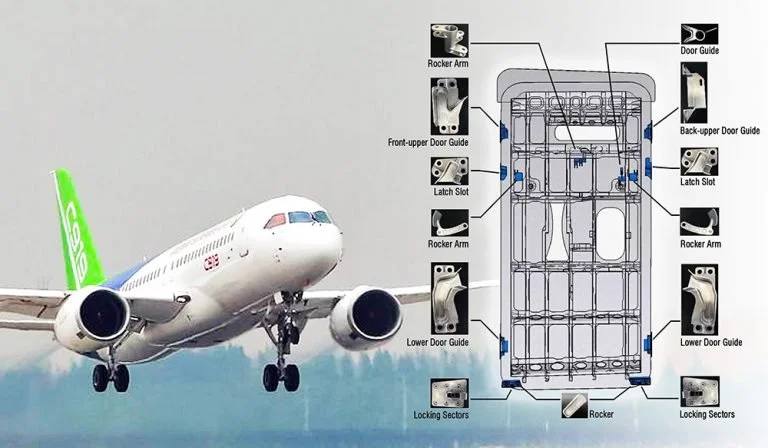
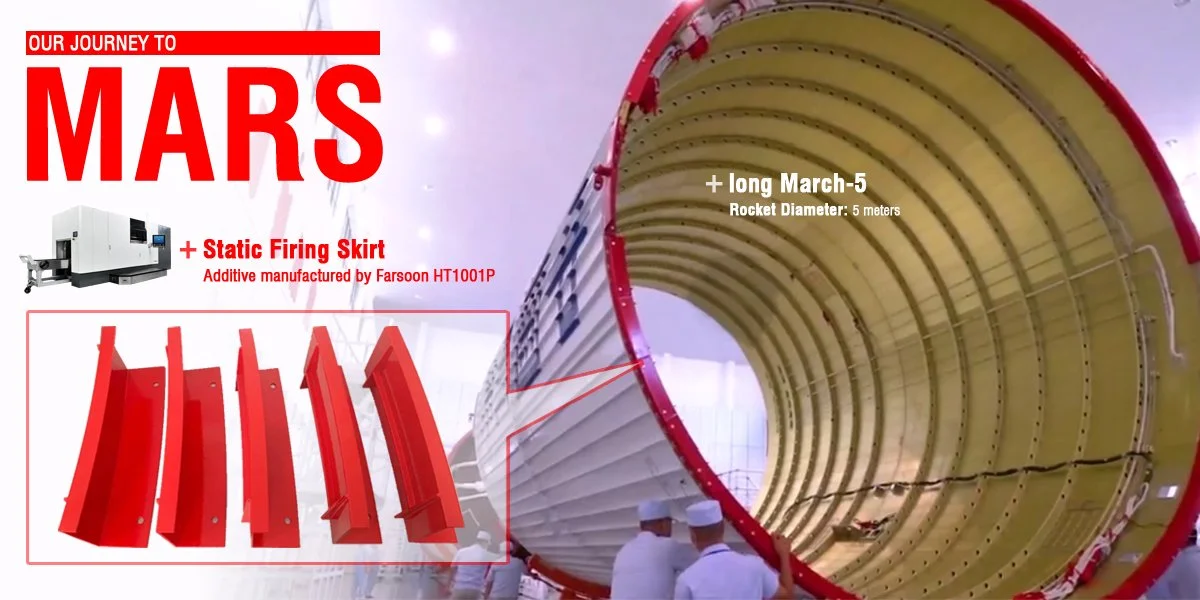
Static Firing Skirt for a Rocket
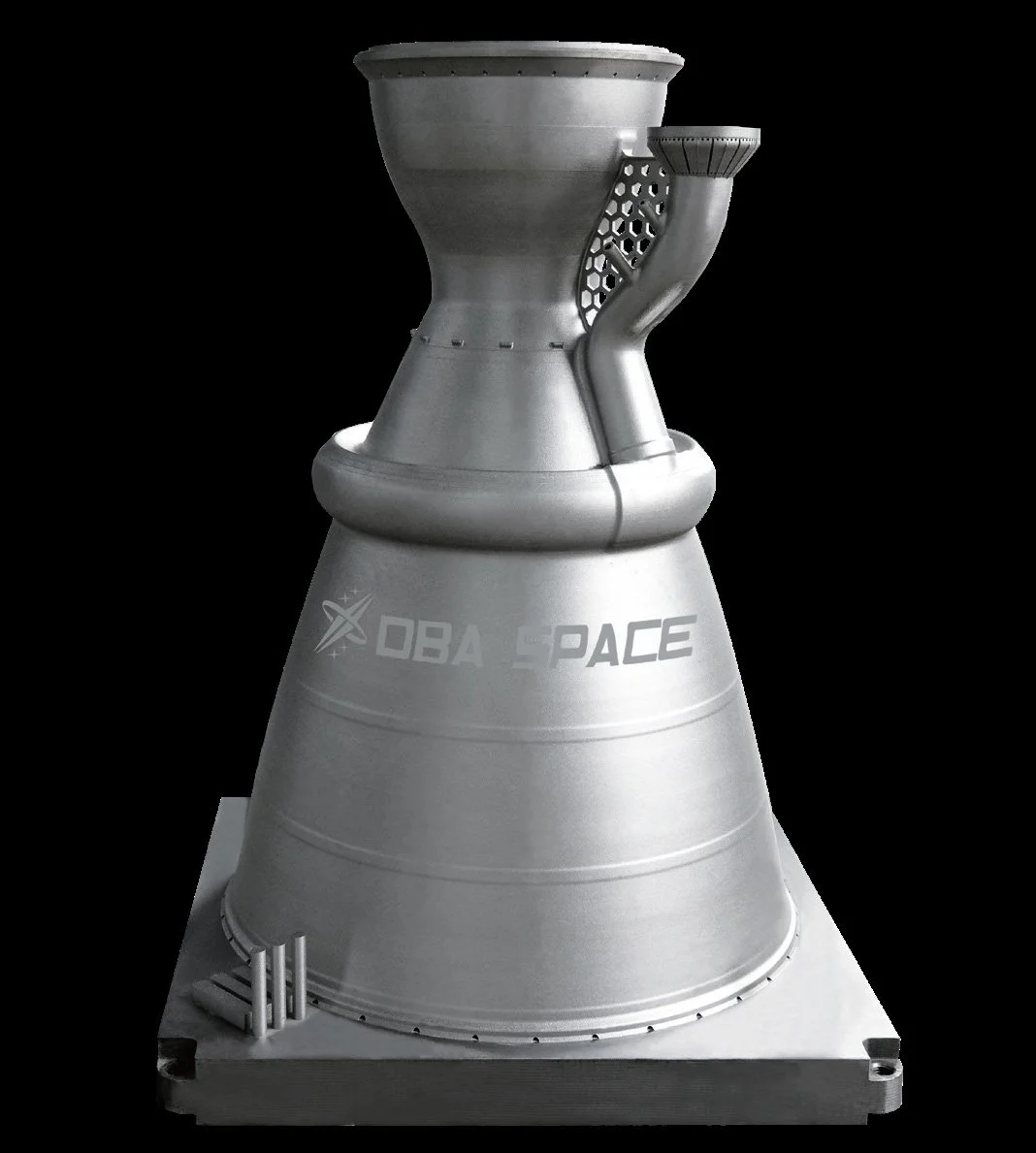
Rocket Engine Combustion Chamber
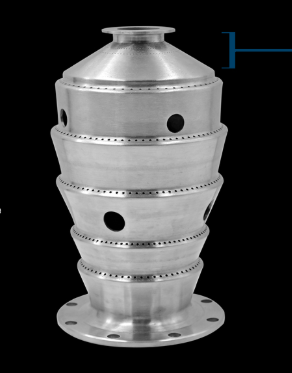
Flame Tube in Combustion Chamber of Aerospace Engine
Book a demonstration
3DTIV Tech is the exclusive partner for the sale and servicing of Farsoon Technology printers across the GCC. That means machine support, spare parts, training, and technical advice come from within the region rather than from an overseas support desk in a different time zone.
Our Dubai demonstration centre allows aerospace teams to benchmark their own part files on Farsoon machines before committing to a purchase — a practical way to answer qualification and repeatability questions before capital is spent.
Discuss your aerospace application with our team