Additive Manufacturing for Automotive
Automotive was among the earliest adopters of additive manufacturing, and it remains one of the broadest. The same technology that produces a styling prototype on Monday can produce a production jig on Tuesday and a low-volume series part on Wednesday.
3DTIV supplies automotive manufacturers, motorsport teams, aftermarket specialists, and workshops across the UAE and GCC with the systems, materials, and support required for additive production.
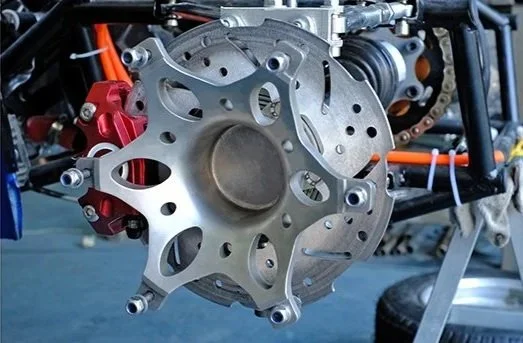
Front and Rear Hub Integration
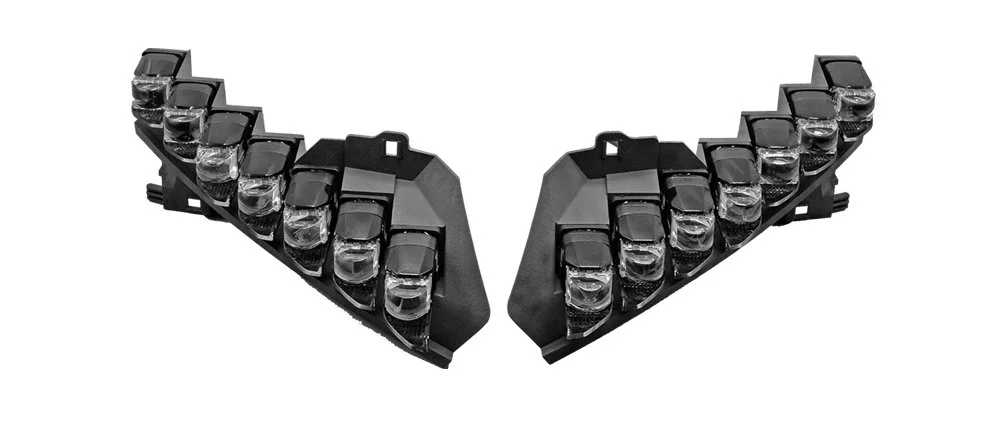
Customized Automotive Lighting Housing
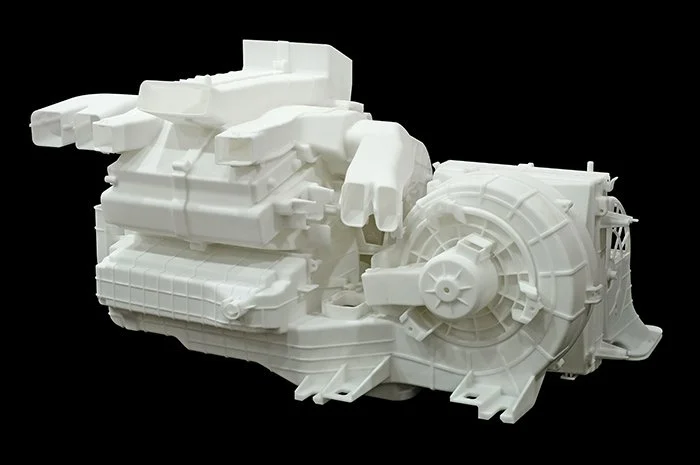
3D Printed Automotive HVAC System
Why Automotive Manufacturers Use Additive Manufacturing
-
Functional prototypes in days rather than weeks, allowing more design iterations within the same programmed timeline.
-
Assembly line tooling produced in-house, on demand, and modified whenever the line changes — without waiting on an external tool shop.
-
For motorsport, performance, restoration, and limited-run vehicles, additive manufacturing removes the tooling economics that make small batches prohibitive.
-
Topology-optimised brackets and structural components that reduce mass without sacrificing strength — increasingly relevant for EV range and performance applications.
-
Components for classic and out-of-production vehicles reproduced from scans or drawings, without minimum order quantities.
Recommended Systems for Automotive Production
The FS421M and FS422M are built for continuous metal production, with 425×425×420mm and 425×425×550mm build envelopes respectively and multi-laser configurations for throughput. The FS422M's build rates of up to 150cm³/h are aimed squarely at industrial-scale series work.
For polymer applications — prototypes, jigs, fixtures, and interior components — the Flight 403P series applies fiber laser technology at 20 m/s scan speeds with feature detail down to 0.3mm. The Flight HT601P-4 extends this to a 600×600×600mm build volume with a 220°C chamber for PA6, PBT, PA11, PA12, and TPU.
The FS273M suits workshops and smaller operations needing metal capability at a more compact footprint.
Materials for Automotive Applications
Farsoon's metal portfolio covers aluminium alloys for lightweight components, tool steels for mould inserts and durable tooling, and stainless steels for general production parts. Polymer materials include PA12 and PA11 for functional prototypes and fixtures, TPU for flexible components and seals, and PBT for higher-temperature applications.
Farsoon's open parameter strategy is particularly useful in automotive contexts, where teams frequently need to qualify a specific material and process combination against internal standards rather than accepting a supplier default.
3DTIV distributes Forward AM materials alongside the Farsoon portfolio, giving automotive customers access to a broader polymer range for prototyping, fixtures, and interior components — useful where a specific material specification drives the requirement rather than machine availability.
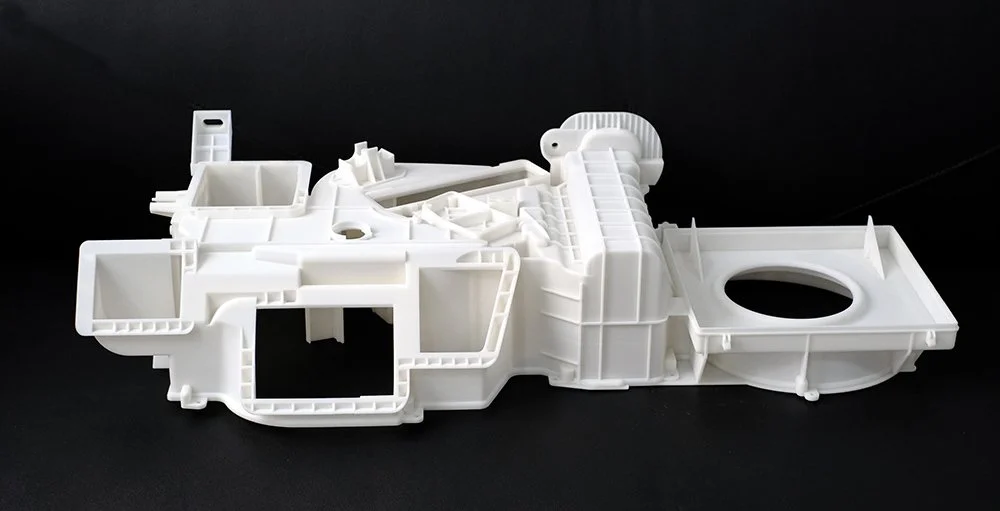
Overall structure and size of the HVAC shell
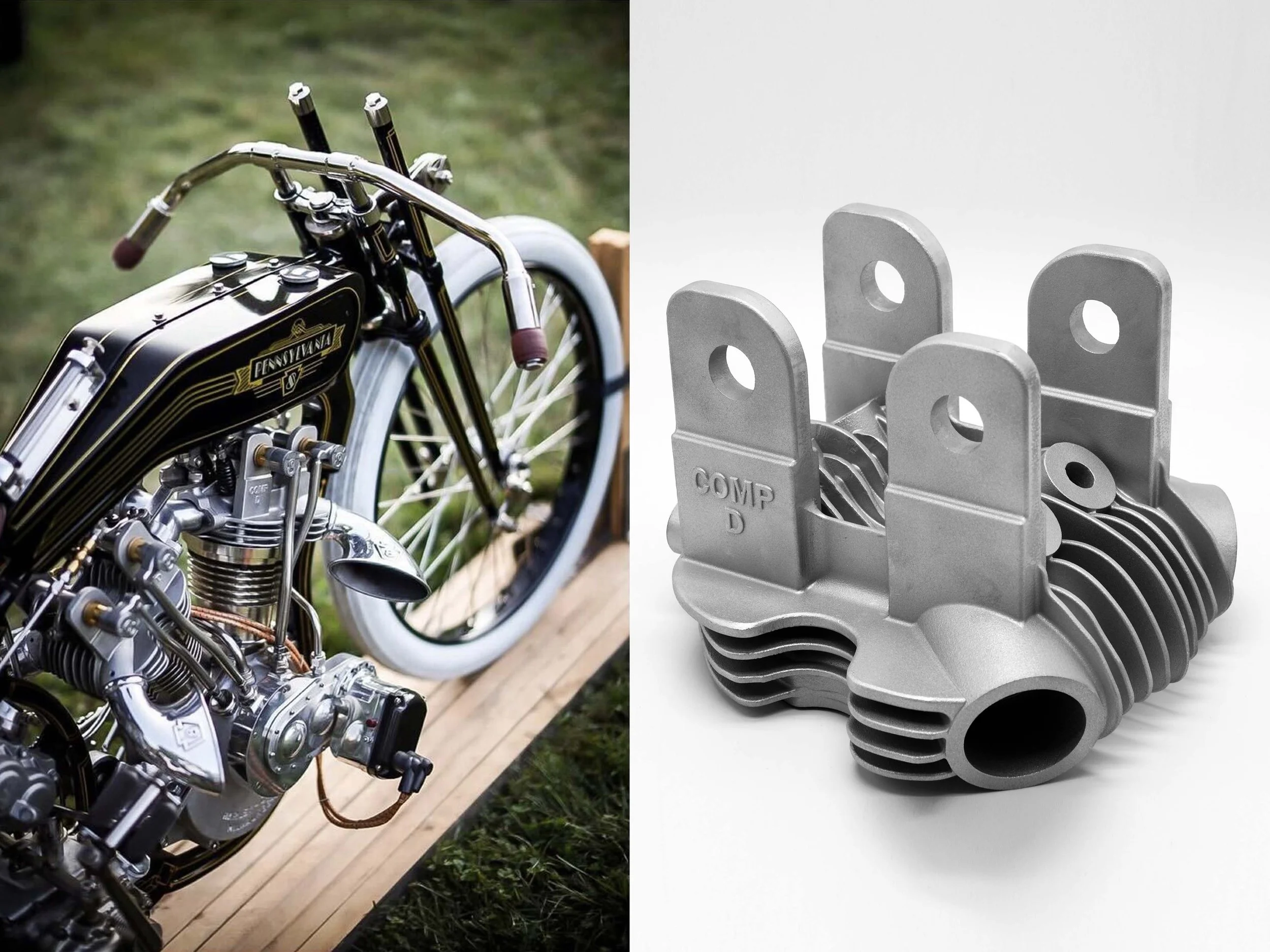
3D Printed Cylinder Head Iteration based on
1928 Rudge Cycle
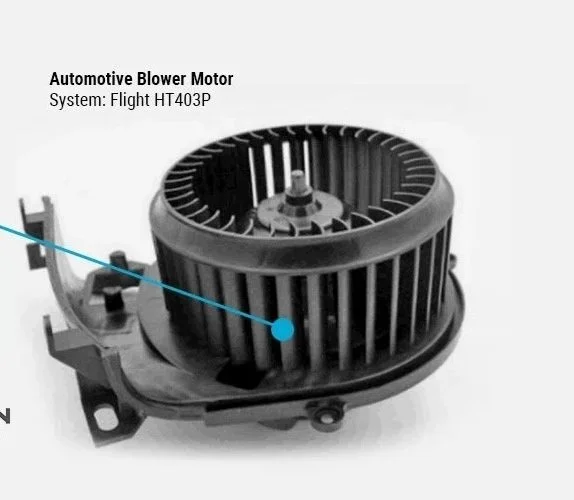
3D Printed Automotive Blower Motor
Book a demonstration
3DTIV Tech is the exclusive partner for the sale and servicing of Farsoon Technology printers across the GCC. That means machine support, spare parts, training, and technical advice come from within the region rather than from an overseas support desk in a different time zone.
Our Dubai demonstration centre allows aerospace teams to benchmark their own part files on Farsoon machines before committing to a purchase — a practical way to answer qualification and repeatability questions before capital is spent.
Discuss your aerospace application with our team